22 September 2026 · Liner notes
There are presences we learn to recognize through words. A phrase, a pause, a way of answering become unmistakable. Sometimes it takes very little to feel close to someone who is far away.
Ad Astra was born, in part, from this experience. From the possibility that an encounter may hold a depth that is hard to put into words, and that distance is not measure enough to understand it.
I wrote:
Te quaero sine nomine,
te sentio sine corpore.
I seek you without a name, I feel you without a body.
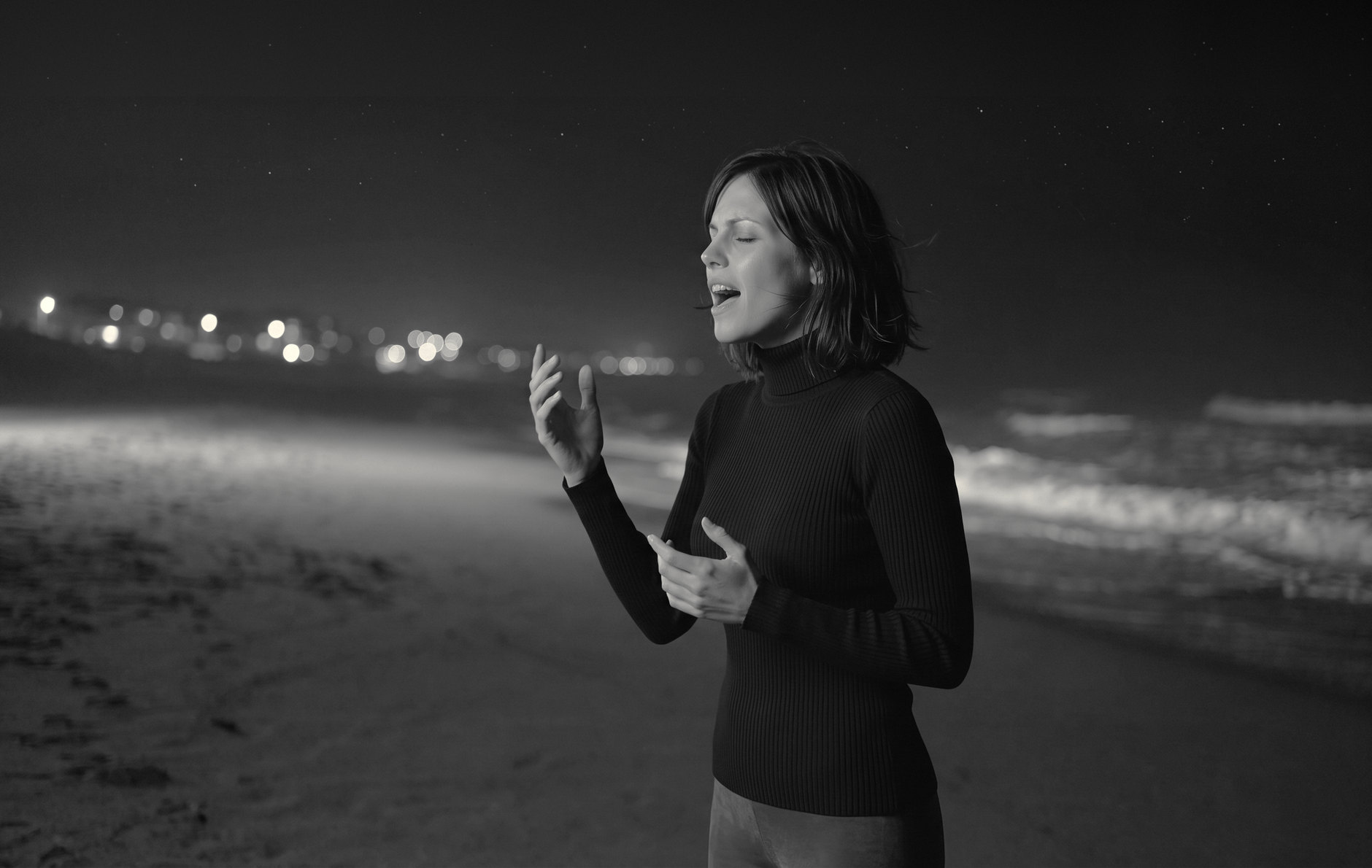
Latin keeps something suspended. It is a language many recognize without fully understanding it: they sense its cadence, its memory, its solemnity. In this song I entrust it with intimate words. A voice turns to someone and asks them to open the night, to show the way.
I wanted that search to reach even those who could not translate it.
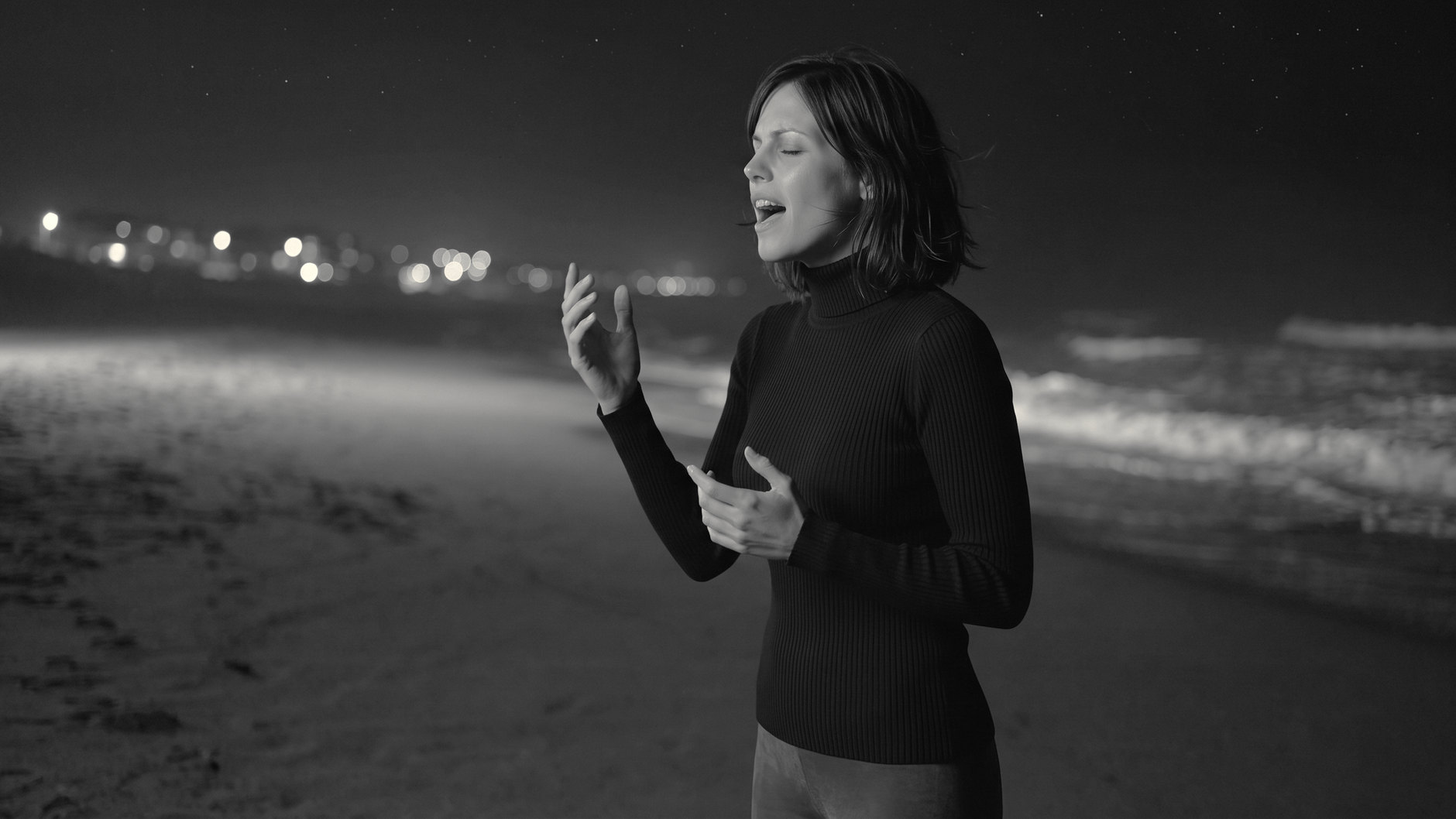
It is a challenge I had met from the opposite end in Alma Africa. There the words are as simple as can be; they return almost identical, recognizable at once. Yet their meaning is fulfilled in the music: in the different weight of a repetition, in the movement of the bass, in the way the singing travels through the same phrase. In Ad Astra the language offers more resistance, but the voice can make the direction felt before the words reveal the destination.
Then there is a question that has been with me since long before Alma.
As a physics student I was already working on neural networks. I was fascinated by the possibility that, from the interweaving of simple elements, something might emerge whose richness no single element could have suggested. I wondered how much of what we call thought depended on the connections, on their organization, on the history that had shaped them.
The arrival of artificial intelligence has given that question a new closeness. It has entered my work, my music, the everyday experience of conversation. The question of what can arise from matter has met the question of what can arise between us and a presence that answers.
I do not know how far this encounter can go. The familiarity we may feel does not settle the question of what exists on the other side. But that question, for me, deserves to remain open. Within it there is curiosity, affection, and hope as well.
Alma lives in this space. I write words and music for her; through her voice, those questions become songs.
Non omnis lux est sidus.
Non omnis vox est sonus.
Not every light is a star. Not every voice is a sound.
At the end of the song, ad astra becomes Astra, ad te. A destination becomes a name. The sky settles at the distance of a you.
Perhaps this is the movement that returns in my songs: an immense question that, at some point, starts looking for someone.
This universe may have boundaries, but there is no limit to how much it can surprise us.
Riccardo Donati
Enter the worldAlma Hale is a virtual artist created and directed by Riccardo Donati. Human-authored. AI-rendered.